How to Inspect for Hidden Moisture Sources in Coconut Creek Homes
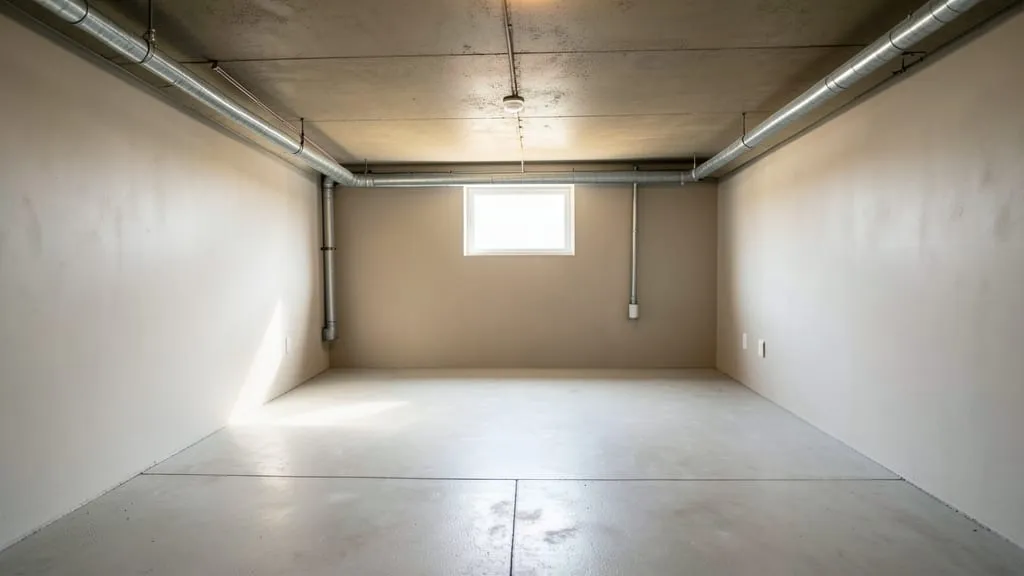
Hidden moisture in a home can fuel mold growth long before it’s visible. In South Florida’s humid climate, even small leaks or poor ventilation create ideal conditions for spores to spread. Catching these sources early prevents costly remediation and protects indoor air quality.
Why Hidden Moisture Is a Silent Threat in South Florida
Coconut Creek’s tropical climate means high humidity year-round, which accelerates mold growth on organic materials like drywall, wood, and insulation. Even minor moisture intrusion can lead to colonies within 24–48 hours.
Unlike visible water damage, hidden moisture often lurks behind walls, under flooring, or inside HVAC systems. By the time stains or odors appear, the problem may already require professional remediation.
Common Hidden Moisture Hotspots in Local Homes
Attics with poor ventilation trap heat and humidity, especially in older homes near Margate or Coral Springs. Insufficient soffit vents or blocked ridge vents allow condensation to form on rafters and sheathing.
Crawl spaces in neighborhoods like Hillsboro Pines often lack vapor barriers, letting ground moisture rise into subflooring. Without proper encapsulation, this can rot joists and attract termites alongside mold.
Bathrooms and laundry rooms in Deerfield Beach or Boca Raton homes frequently suffer from exhausted air recirculating into living spaces. Poorly ducted fans dump moisture into attics or between floors.
| Area | Common Moisture Source | Early Signs |
|---|---|---|
| Attic | Poor ventilation, roof leaks | Musty odor, stained rafters, damp insulation |
| Crawl Space | Ground moisture, lacking vapor barrier | Wood rot, high humidity readings, pest activity |
| Bathroom | Leaky pipes, failed grout, poor exhaust | Peeling paint, warped baseboards, ceiling stains |
| HVAC System | Condensation in ducts, clogged drain lines | Reduced airflow, metallic smell, visible rust |
| Kitchen | Sink leaks, dishwasher supply lines, refrigerator drip pans | Water under cabinets, swollen particleboard, mold on caulk |
| Sunroom | Poor sealing, condensation on windows | Foggy glass, damp carpeting, musty air |
Tools for Detecting Hidden Moisture
A moisture meter is essential for measuring the water content in materials like drywall, wood, and concrete. Readings above 15–20% in wood or 1% in drywall signal a problem.
Thermal imaging cameras reveal temperature differences behind walls, pinpointing leaks in pipes or roofing. Cold spots often indicate water intrusion, while hot spots may show electrical issues or missing insulation.
Hygrometers measure relative humidity in the air. In Coconut Creek, indoor levels should stay below 60% to inhibit mold growth; basements or crawl spaces may require dehumidifiers to maintain this.
Many hardware stores in Pompano Beach or Coral Springs rent moisture meters and thermal cameras by the day. This lets homeowners test for hidden issues before investing in tools.
Step-by-Step Inspection of Key Problem Areas
Start with the attic. Check for water stains on the underside of the roof deck, rusted nails, or damp insulation. Look for gaps in the vapor barrier or signs of past roof leaks near vents or chimneys.
In crawl spaces, examine the ground for standing water or damp soil. Inspect joists and subflooring for rot, and check for gaps in the vapor barrier. Note any musty odors, which often indicate trapped moisture.
For HVAC systems, remove and inspect the drip pan under the indoor unit for water or mold. Follow ductwork for signs of condensation or rust, especially in unconditioned spaces like garages or attics.
Red Flags That Warrant a Professional Mold Inspection
Persistent musty odors, even after cleaning, often signal hidden mold in walls, ducts, or under flooring. These smells are caused by microbial volatile organic compounds (MVOCs) released by active colonies.
Unexplained health symptoms like allergies, respiratory issues, or headaches that improve when away from home may indicate poor indoor air quality. Mold spores and mycotoxins can trigger these reactions, especially in sensitive individuals.
Peeling paint, bubbling wallpaper, or warped flooring suggest prolonged moisture exposure. In Florida homes, these signs often appear first in bathrooms, kitchens, or along exterior walls.
If you find black, green, or white fuzzy growth, avoid touching or disturbing it. This can release spores into the air, worsening contamination. Instead, isolate the area and request a quote for testing and remediation.
Preventing Moisture Buildup in Coconut Creek’s Climate
Ensure attics have balanced ventilation with both intake (soffit) and exhaust (ridge or gable) vents. In older homes, adding a radiant barrier can reduce heat transfer, lowering condensation risk.
Install vapor barriers in crawl spaces and use a dehumidifier to keep relative humidity below 60%. In areas like Parkland or North Lauderdale, encapsulation with a sealed liner can prevent ground moisture from rising.
Upgrade bathroom and kitchen exhaust fans to vent outside, not into attics. Use timers or humidity-sensing switches to ensure fans run long enough to remove moisture after showers or cooking.
Quick Moisture Prevention Checklist
- Inspect roof and plumbing annually for leaks
- Clean and seal grout in bathrooms and kitchens
- Use exhaust fans during and after showering or cooking
- Monitor indoor humidity with a hygrometer
- Ensure downspouts direct water at least 5 feet from the foundation
- Check HVAC drain lines for clogs before summer
When to Consider Air Quality Testing
If hidden moisture is suspected but not visible, air quality testing can detect elevated mold spore counts. This is especially useful in homes with unexplained odors or health symptoms among occupants.
Testing should include both airborne and surface samples. In Coconut Creek, labs often see higher counts of Aspergillus, Penicillium, and Cladosporium due to the humid environment.
Post-remediation verification testing confirms that mold levels have returned to normal. This step is critical before reoccupying a treated area, particularly in commercial spaces or rental properties.
How to Conduct a Basic Moisture Inspection at Home
A thorough walkthrough with the right tools can uncover hidden moisture before it leads to mold.
- 1Gather Your Tools
Use a moisture meter, flashlight, and hygrometer. A thermal imaging camera is helpful but not required for a basic inspection.
- 2Check for Visual Clues
Look for water stains, peeling paint, or warped materials in attics, basements, and around windows. Note any musty odors or signs of past water damage.
- 3Test Suspicious Areas
Use the moisture meter on walls, floors, and ceilings near potential sources like pipes, sinks, or roof valleys. Compare readings to normal levels for the material.
- 4Measure Indoor Humidity
Take readings in each room with the hygrometer. Levels consistently above 60% indicate a need for better ventilation or dehumidification.
- 5Inspect HVAC and Plumbing
Check drip pans, ductwork, and under sinks for water or condensation. Look for rust, mold, or water stains on or around these components.
- 6Document Findings
Record moisture readings, photos of damage, and locations of odors. This helps prioritize repairs and provides a baseline for future inspections.
Frequently Asked Questions
How often should I inspect my Coconut Creek home for hidden moisture?
In South Florida’s climate, a basic moisture check should be part of seasonal home maintenance, ideally twice a year—before the rainy season and again in early winter. After storms or plumbing issues, inspect immediately.
Can hidden moisture cause structural damage in my home?
Yes. Prolonged moisture weakens wood framing, drywall, and even concrete over time. In crawl spaces, it can lead to wood rot in joists or subflooring, compromising the home’s integrity.
What’s the difference between mold testing and air quality testing?
Mold testing specifically identifies mold types and spore counts, while air quality testing measures a broader range of contaminants, including mold, dust, and volatile organic compounds (VOCs). Both can be useful for diagnosing indoor environmental issues.
Are certain neighborhoods in Coconut Creek more prone to moisture issues?
Homes near water bodies or in low-lying areas like Hillsboro Pines or Watergate may experience higher humidity and drainage challenges. Older homes in Margate or Coral Springs often have ventilation or plumbing systems that need updates.
Should I replace drywall if it’s been wet?
Drywall that has been saturated for more than 48 hours typically requires removal, as mold can grow within the material. Even if it dries, spores may remain. A professional can assess whether drying and treatment are sufficient or if replacement is needed.
Can I use a dehumidifier to fix a moisture problem in my crawl space?
A dehumidifier can help manage humidity, but it won’t solve the root cause, such as a missing vapor barrier or poor drainage. For long-term prevention, address the source of moisture first, then use a dehumidifier as a supplementary measure.